
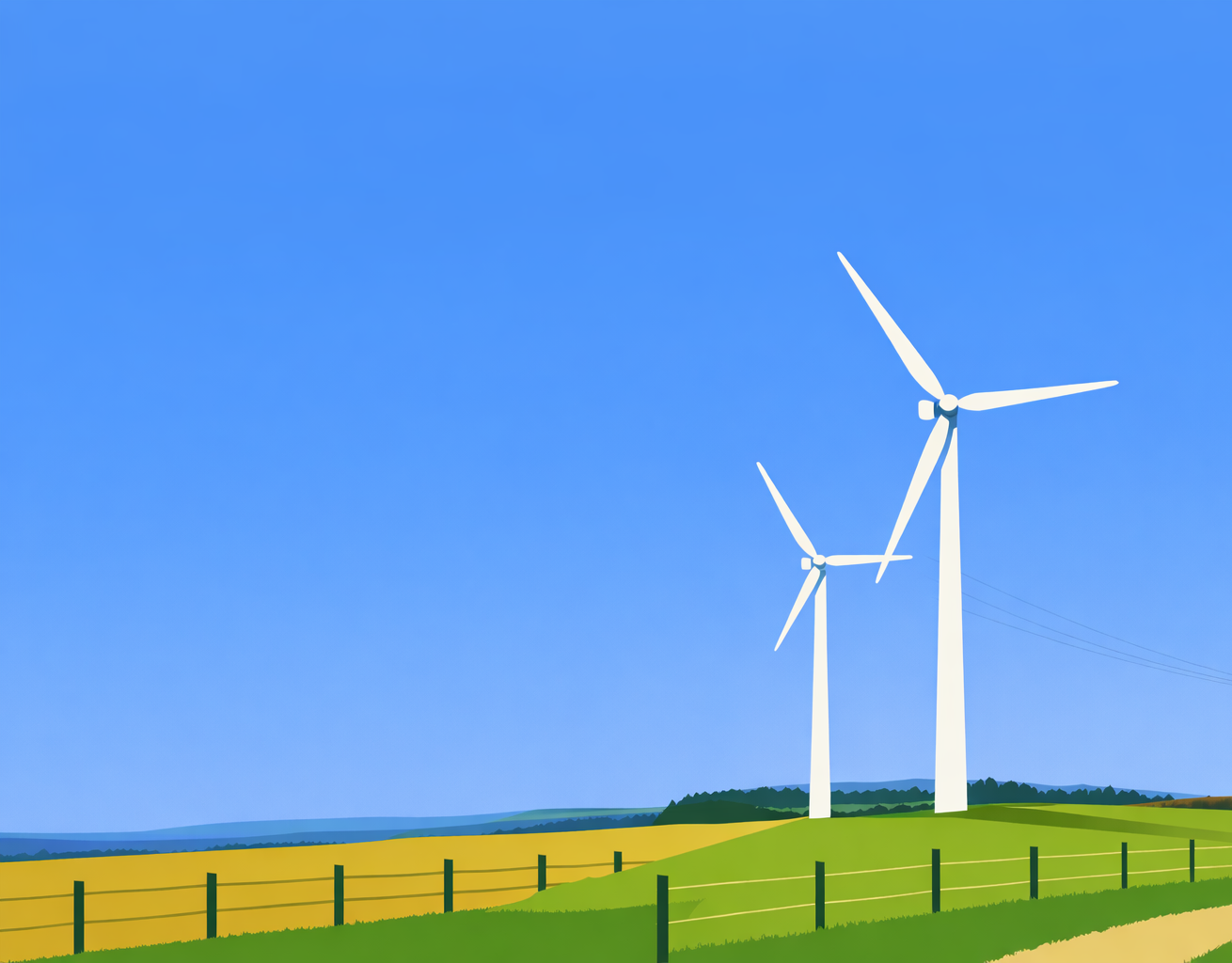
Rural wind sites
We work with farmers, estate owners and rural landholders to develop integrated projects into existing land use
Wind energy and agriculture are highly compatible
Our projects are intentionally small in scale. This allows developments to be carefully sited within the landscape and minimise visual impact.
Designed to integrate into working farmland, agricultural activity is able to continue while generating renewable energy and long-term passive income. In most cases:
- agricultural use continues around the turbine
- access tracks can be integrated into existing land use
- disruption is limited to construction and maintenance periods
This allows landowners to maintain their core operations while introducing a new income stream.
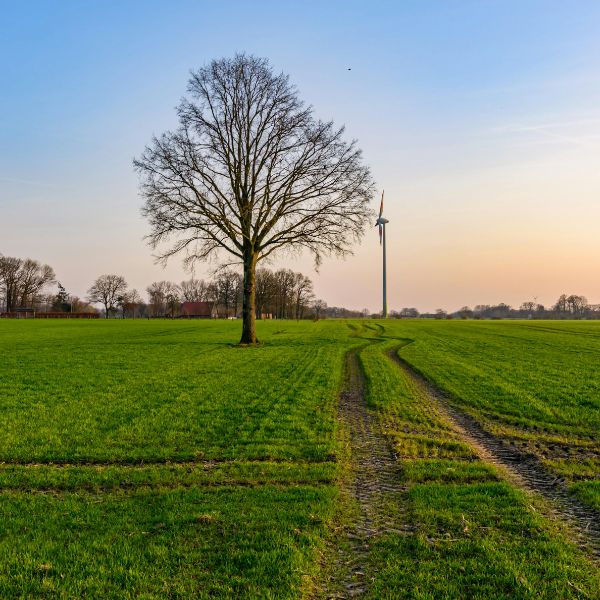
Wind energy project delivery experience
We bring proven experience in developing and delivering onshore wind projects across the UK. Our team has taken projects from early concept through planning, construction and operation, managing land assembly, grid arrangements, stakeholder engagement and long-term delivery. This includes:
Twin Rivers Wind Farm, East Riding of Yorkshire
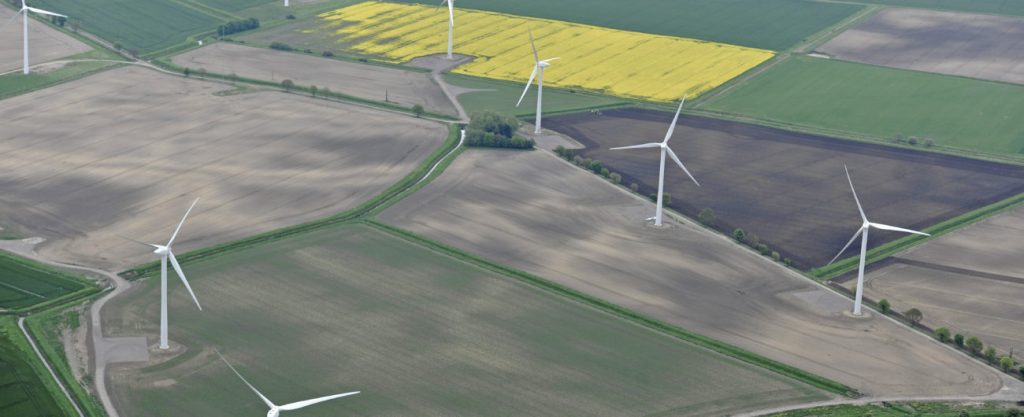
Coldham Windfarm, Cambridgeshire
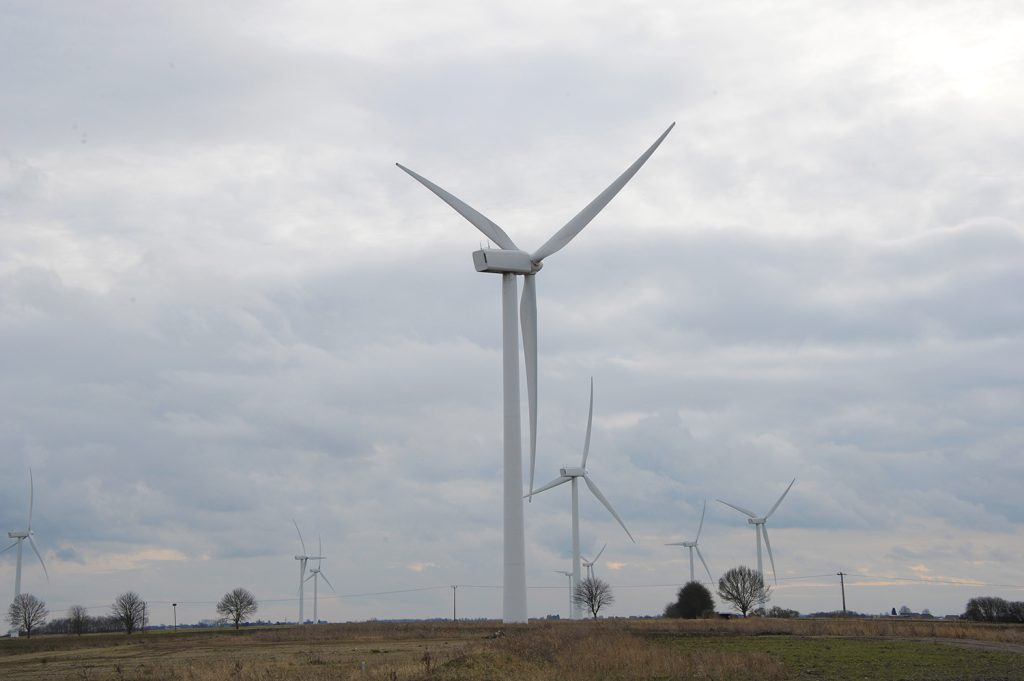
White Mill Windfarm, Cambridgeshire
Biggleswade Wind Farm, Bedfordshire
Benefits for farmers and rural land owners
We focus on delivering practical wind projects that integrate into working farmland and create long-term value for landowners.
For suitable sites, wind energy can provide:
- long-term, stable income
- diversification for farm businesses
- minimal disruption to existing operations
- contribution to UK renewable energy and energy security
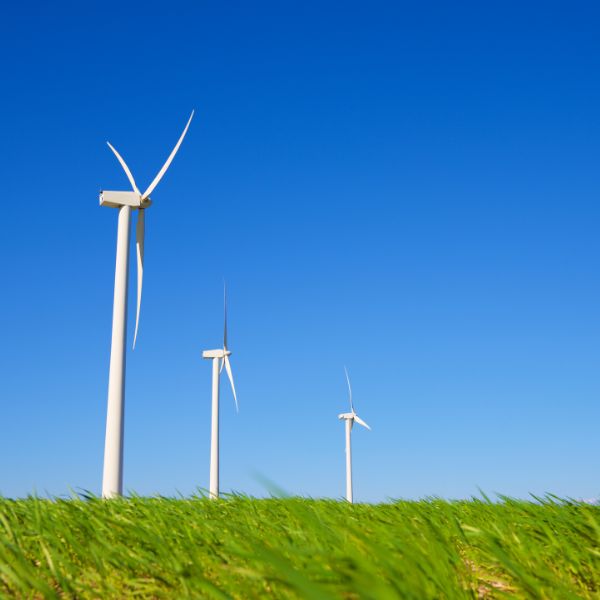
What makes a suitable rural site?
Wind turbines require a relatively small physical footprint, allowing them to be incorporated into a wide range of commercial and industrial environments.
Not all sites are suitable, but where conditions are right, even a single turbine can provide long-term value. We look for sites with:
- Open, rural land with good wind exposure, often on elevated or exposed ground.
- Sites need to have sufficient distance from residential properties
- Practical access for construction and maintenance
- The ability to position turbines in a way that works alongside existing agricultural use.